
Protein is known for building lean muscle mass. However, it offers so much more benefits. Here’s all you need to know.
Protein is known to be beneficial for building lean muscle mass. It is also known for helping in appropriate weight loss. However, protein is also crucial for wound healing and supporting your overall wellbeing.
Let’s just say that protein is a super macro! In this article, we will let you know what protein is and why you should be eating more protein, whatever your health journey.
What is Protein?
Protein is one of the most important macronutrients. Macronutrients are compounds in food that provide your body with calories and other nutritional benefits. As one of the main macronutrients, protein helps to grow, shape, repair, and maintain every cell in your body. In fact, almost 15% of your body is made up of proteins.
Protein is also critical for your hormones, enzymes, and other chemicals that help you live and function in your everyday life. It also plays a role in your immune and digestive system.
Since protein is a macronutrient, it provides energy in the form of calories. Although carbs and fats are more essential in every day and fitness activities, if you consume a lot of protein, some of it will also be used for fuel.
All proteins are made up of smaller compounds called amino acids and these are the building blocks for your body.
How much protein is enough protein?
The minimum daily requirement for most people lies in the ranges of 0.8 to 1.0 grams of protein per kilogram of bodyweight. Or simply, 10% of your daily calories. However, this is increased with age, increased exercise, and injury.
In fact, it is not difficult for people to consume this amount of protein per day. Which is why some argue that this amount is too low to reap any sort of benefits. Instead, some argue that your protein intake should be around 30% of your calories which means 1.0 to 2.0 grams of protein per kilogram bodyweight.
Whatever your protein intake is, your calories also matter since protein can also be found in ‘less healthy’ options. If you are looking to increase your calorie intake, make sure that you are opting for quality high protein foods that will overall improve your nutrition.
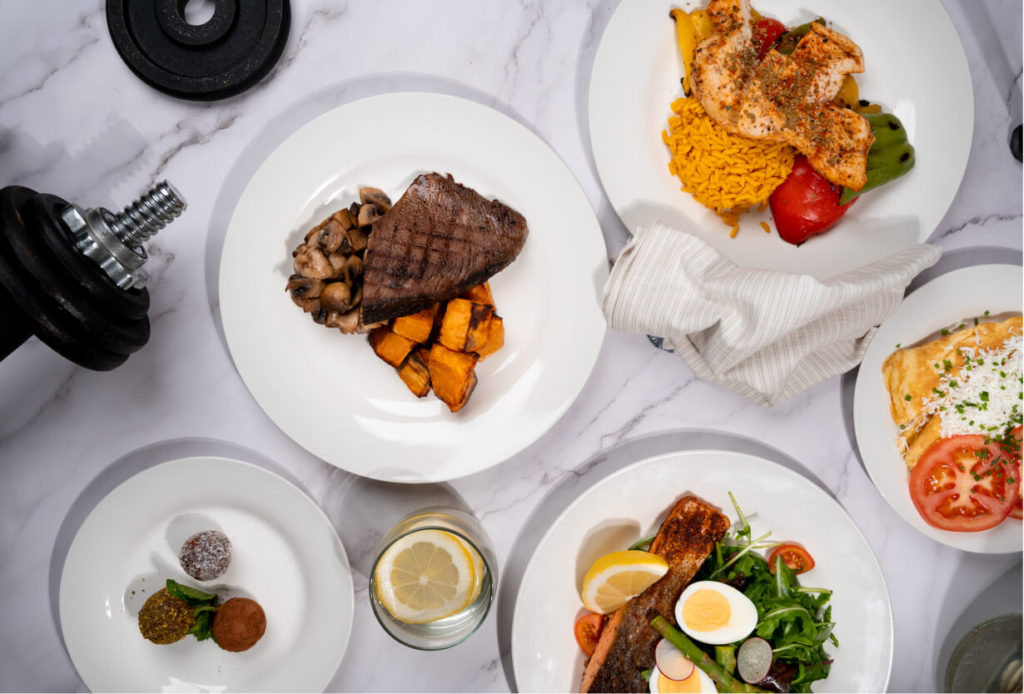
Fortify Meals can help you out here. Our Protein + Meal Packs are packed with high protein meals that are needed for that extra fuel. From 37 to nearly 60g of protein per serving, the Protein + will supply you with all the nutrients you need.
Why should you eat more protein?
Increasing your protein intake will help you in a number of ways in your weight loss and/or muscle gain journey.
Building and maintaining muscle mass
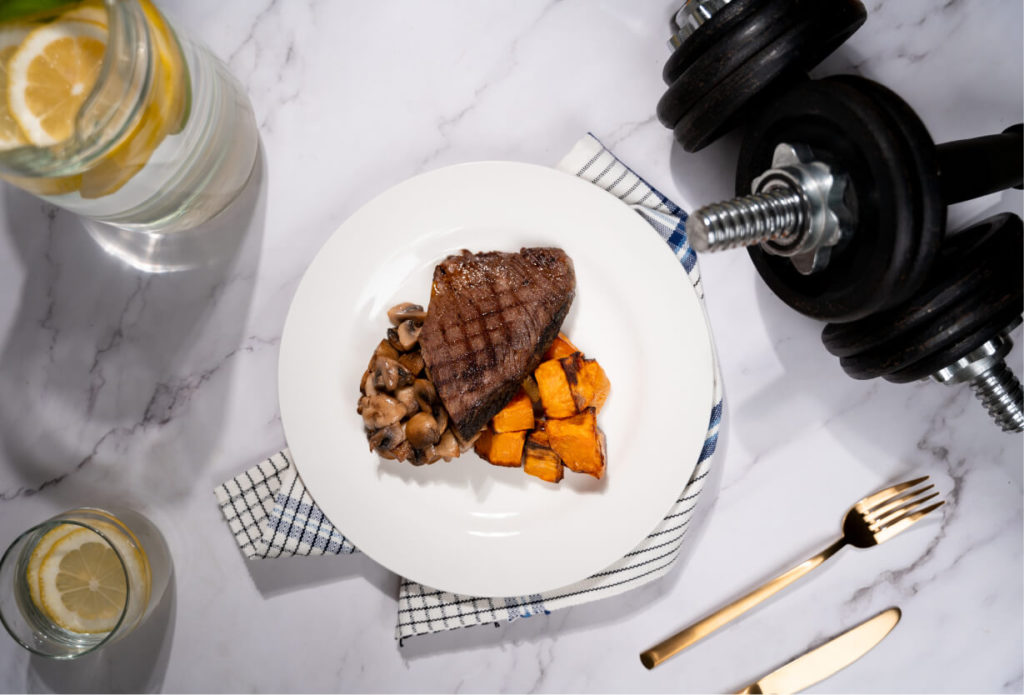
Muscle is made up of mostly protein which means that it comes to no surprise that to gain muscle, you will need to eat more protein. This is why when athletes are lean bulking, their diet is very high in protein.
Eating more protein will also help you maintain your fat levels when cutting calories. This means that you will be optimising fat loss while improving your body composition.
Muscle is essential to create that ‘toned’ and shredded look to your body.
Decreasing your fat storage
Protein is the least likely from all the macronutrients to be stored as body fat when you overeat it, especially if you’re strength training regularly. However, being on a calorie deficit is still essential for weight loss.
Protein is also a thermogenic macro which means that you burn more calories when digesting protein compared to carbs and fats.
Reducing your appetite
Protein is the most satiating out of all the macros which means that it can keep you satisfied and less hungry throughout the day. This is why eating a high protein breakfast is said to reduce your hunger throughout the day.
Decreasing your cravings
Eating protein is said to reduce your cravings, including your sugar cravings. This is especially the case when you are reducing your calories for weight loss.
Whatever your fitness goals, eating more protein is essential if you would like to improve your body recomposition and stick to your healthy lifestyle.
If you want to simplify your meal prepping, contact us at Fortify Meals and we will help you out!